The Order of the Rooms
A portfolio is experienced in sequence, like a building
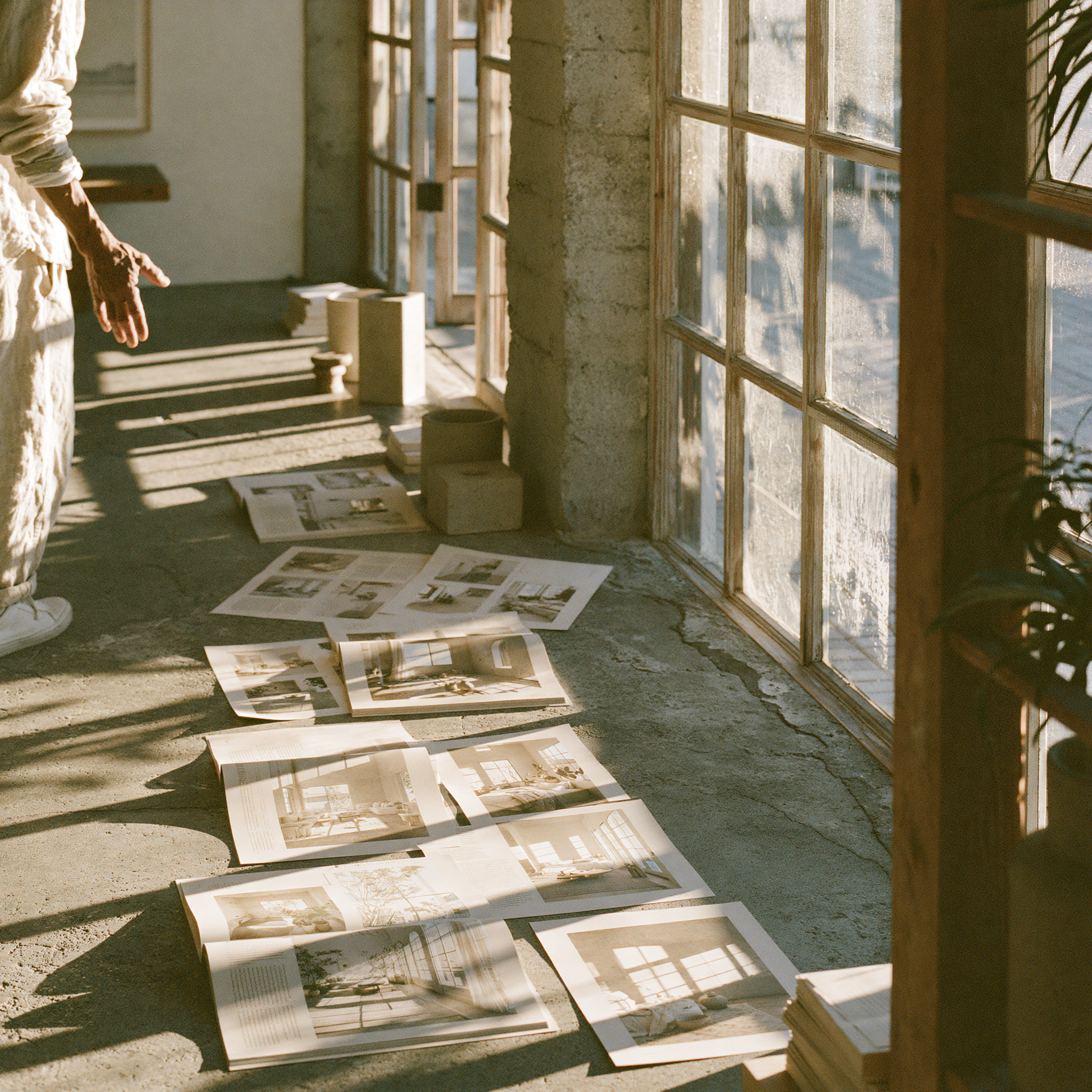
No one experiences a building all at once. They walk it, room by room, in the order you decided — and a portfolio is walked the same way.
However brilliant the floor plan, a visitor only ever gets it one room at a time, in an order someone chose for them — the compressed entry, the corridor that withholds, the sudden double-height room that lands precisely because of what came before it. Architects call this a promenade. Editors call it a running order. Most portfolios call it nothing at all, because no one designed it.
Work That Belongs in a Magazine, earlier in this Journal, was about making individual spreads worth keeping. This is the other half, and honestly the half that decides more interviews: the order the rooms come in.
The entrance is not your best room
The instinct is to open with the strongest project. Resist it. A building that gives you the cathedral at the front door has nowhere to take you. Open with the project that most clearly says what kind of studio this is — the most representative room, not the most spectacular. Confidence at the entrance is legibility, not fireworks.
The corridor earns the reveal
Between the big rooms, a portfolio needs corridors: quieter projects, process pages, a pause of white space. They aren't filler — they're compression, and compression is what makes release land. Three spectacular projects in a row read as one long noise. The same three, separated by two quiet rooms, read as a career.
Save one room for last
The final project is the one visitors walk out through, and it colours everything they just saw. End with the work you want more of — not the biggest client, the truest direction. A portfolio that ends on its truest room sends the reader away already imagining the next commission. That's the whole job.
Walk it like a stranger
Once a sequence exists, test it the only way that works: physically. Print the spreads small, lay them down the hallway, and walk past them at reading pace. Where do you slow down? Where do you feel the urge to skip? A skipped room in a walk is a closed tab in an interview. Reorder and walk again — it costs an afternoon and improves the portfolio more than a new project would.
The projects are the rooms; you've already built them. The portfolio is the promenade — and the promenade is yours to draw.
In The Studio Archive this week: a real portfolio reordered before your eyes — the before and after running orders, the reasoning per move, and a sequencing worksheet to walk your own rooms. The post gives the theory; the file does the moving.