Build Your Own Studio Archive
Creative systems that outlast any single project
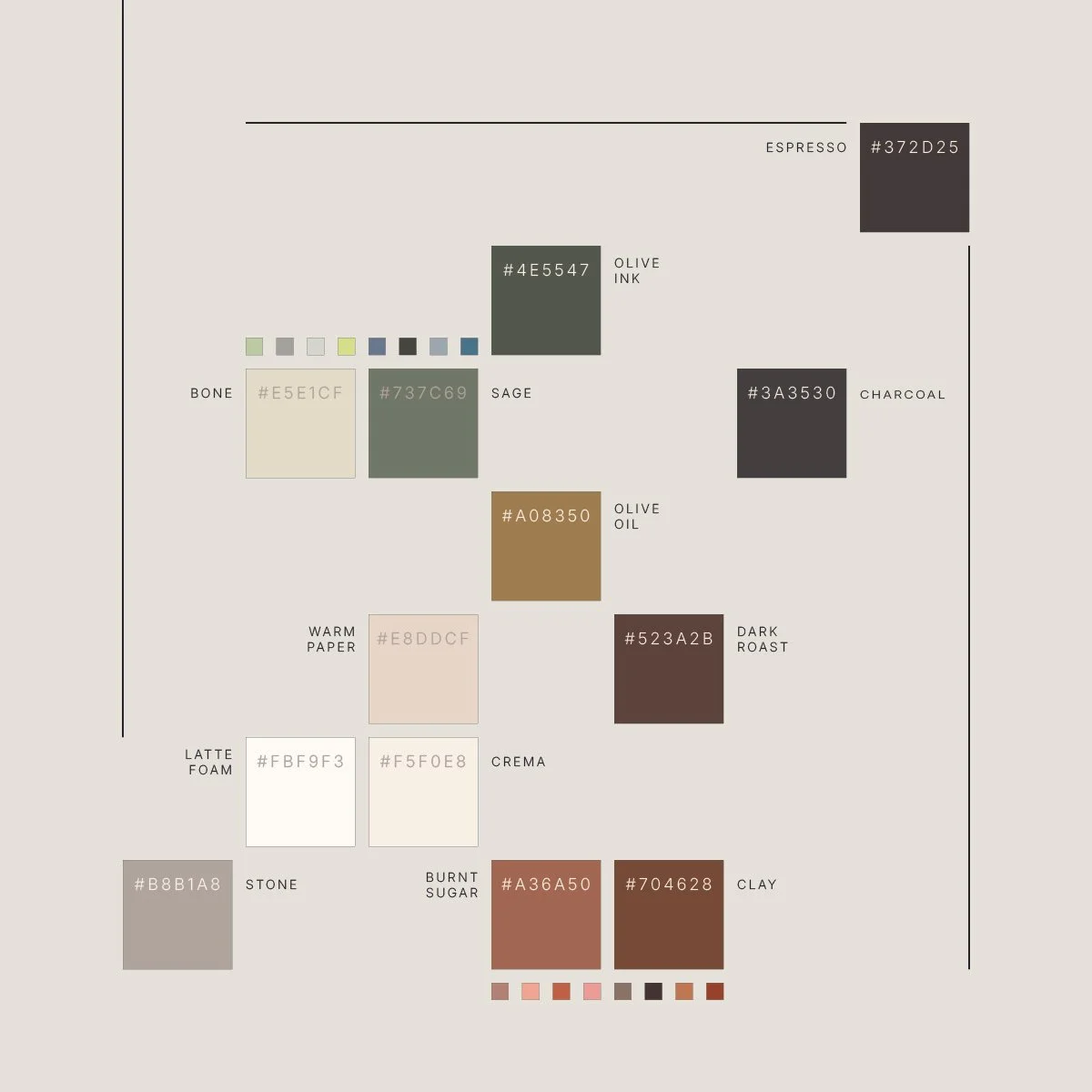
Why to build an archive, not a catalogue. Creative systems that outlast a single project because of a well-kept archive.
The most generative creative people are rarely the ones who make the most. They're the ones who keep the best archive. They have somewhere to put the good reference, the half-idea, the phrase they overheard, the layout they admired — and, crucially, a way to find it again when they need it. Their creativity looks like inspiration. It's mostly retrieval.
There's a quiet but important difference between a catalogue and an archive. A catalogue is a list of what you've produced — outward-facing, finished, for others. An archive is a system for what you're collecting and thinking — inward-facing, unfinished, for you. Most people build a catalogue and wonder why they feel empty. The archive is where a practice actually compounds.
Collect on purpose, not just when inspired
Inspiration is unreliable; a habit of collecting is not. The strongest archives come from a small, regular practice of noticing — saving three things a week that struck you, without needing to know why yet. Over a year that's a hundred and fifty considered references. The point isn't volume. It's that you were paying attention, on purpose, and kept the evidence.
Organise by feeling, not just by folder
The trap of most reference systems is filing by category — "logos," "interiors," "type" — which is how you lose things. You rarely think I need a logo; you think I need that feeling of quiet confidence. Tag by mood, tension, and quality as much as by subject. An archive organised by feeling answers the questions you'll actually ask it.
Keep your systems, not just your inspiration
An archive isn't only references. It's the templates, checklists, and small systems you've built and proven — the reusable pieces that mean you never start from a blank page. Every time you solve something well, save the solution, not just the result. A good template is a decision you only have to make once. That's what turns effort into infrastructure.
Return to it — an archive you never open is a graveyard
The habit that separates a living archive from a dead one is revisiting. Wander it with no goal. Reread old notes. Let a reference from two years ago collide with today's problem. The value isn't in the collecting; it's in the returning, where distant things meet and become new. An archive is a conversation with your past and future self — but only if you keep showing up to it.
Build one, tend it, and slowly you accumulate something rare: a creative practice that doesn't depend on being inspired today, because your past self already did the collecting. That's not productivity. It's the architecture of a life's work.
This, quietly, is what The Studio Archive has been all along — not a newsletter, but an archive we keep, and open to you once or twice a month. If this season resonated, that's the door. And everything we make is designed to live inside a system like yours.